Views: 0 Author: Tyler Lu Publish Time: 2026-11-18 Origin: Site


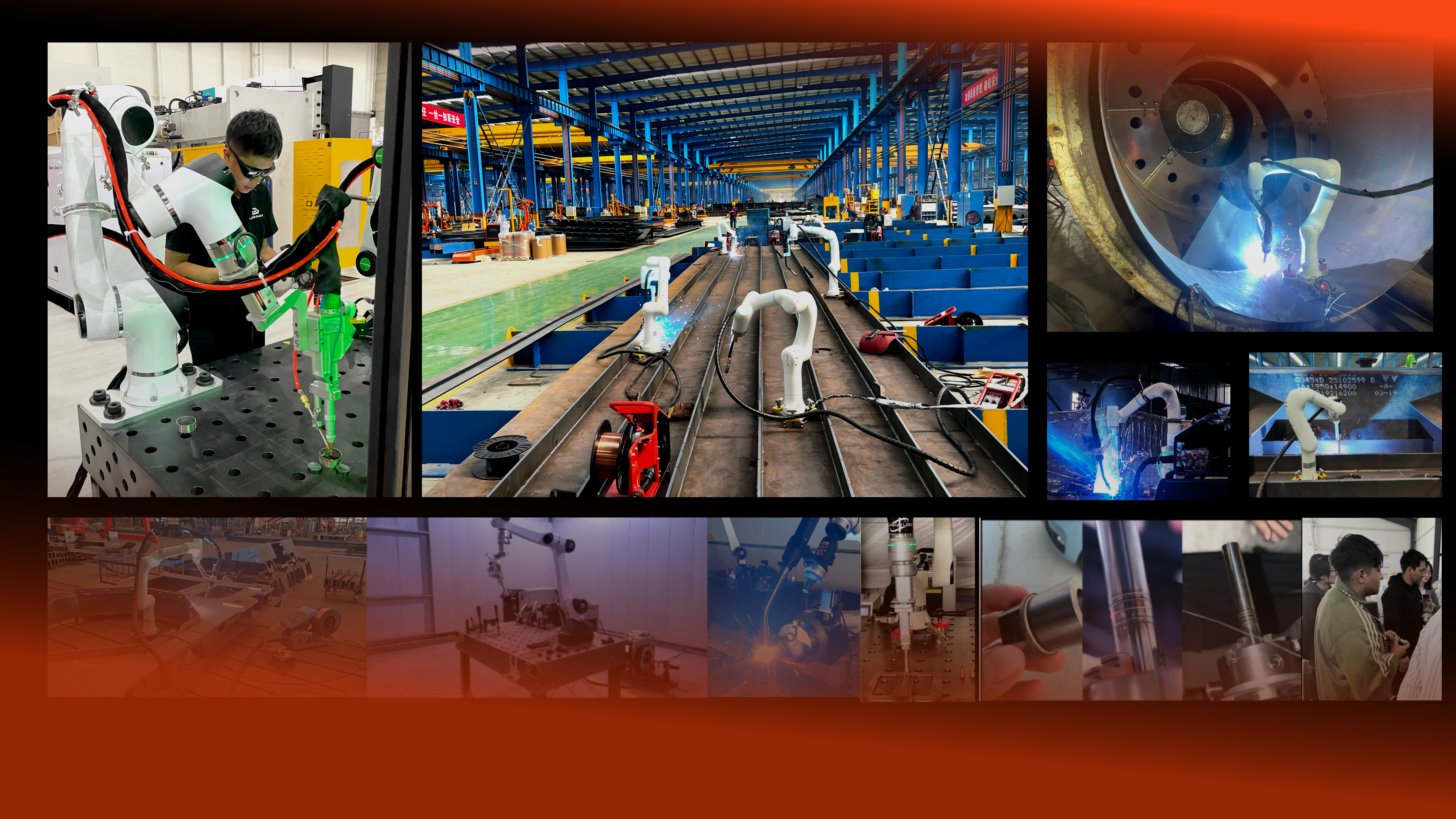
Welding automaion is no longer exclusive to large-volume fixed lines. Collaborative welding cobots let small and medium fabricators, metal workshops, cabinet & equipment manufacturers deploy automation without bulky safety fences. The most common question we receive: Should I choose an arc welding cobot or a laser welding cobot?
There is no “better one” — only the right match for your workpiece, tolerance, aesthetic standard, batch size and budget.
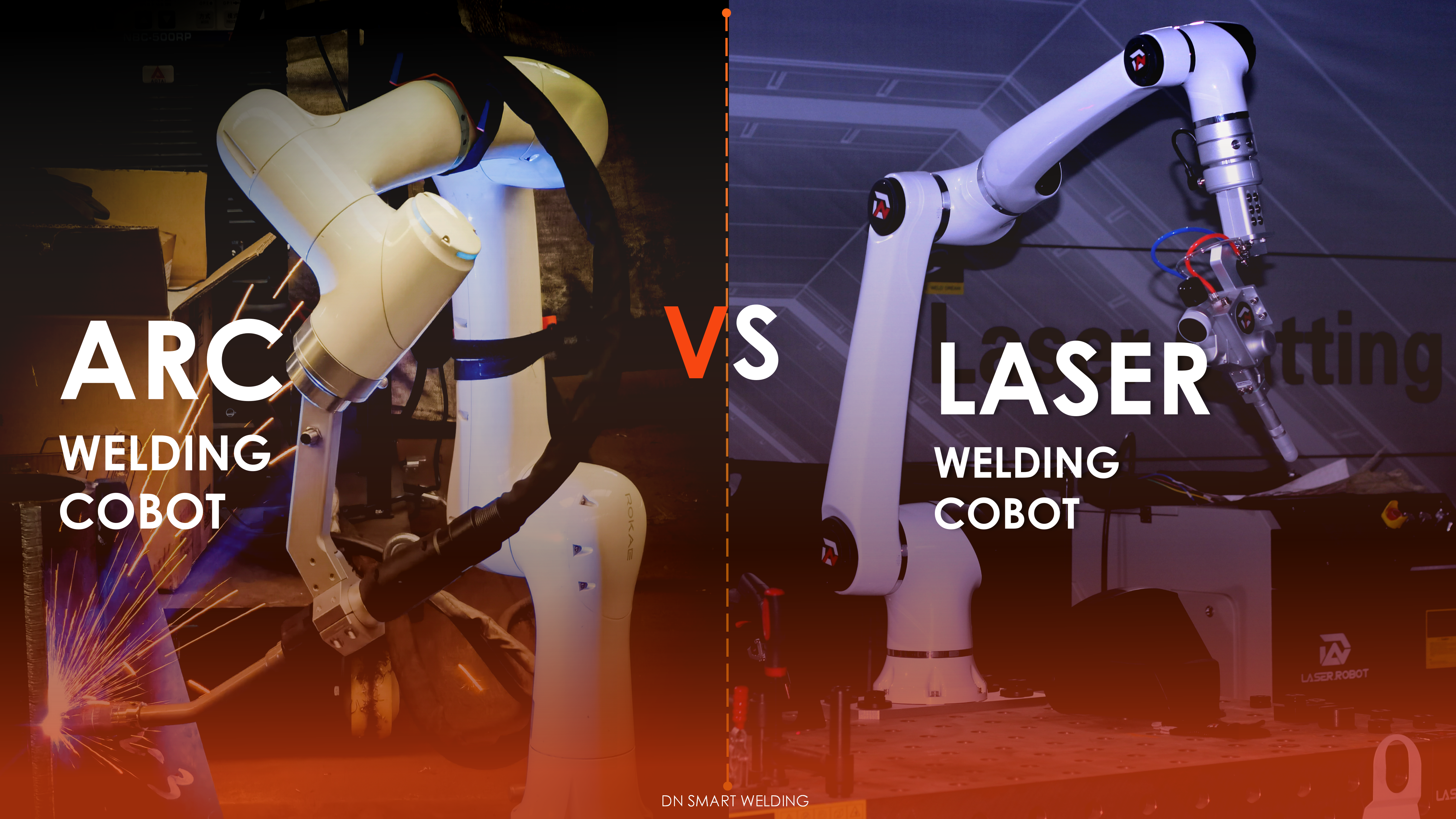
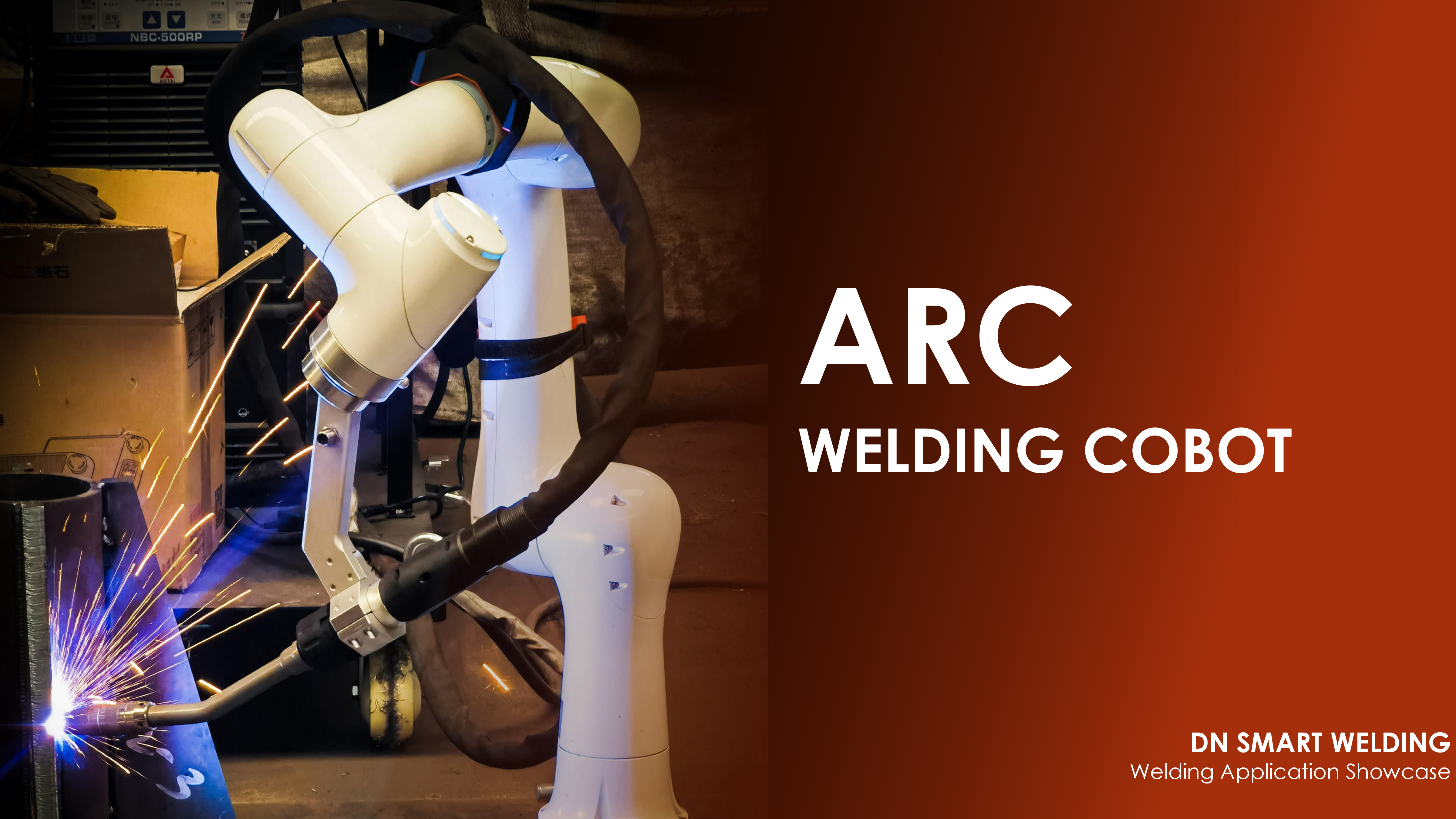
Arc welding cobot adopts mature GMAW/GTAW arc process, with wire feeding and welding power source integrated with the cobot arm.
✅ Core strengths
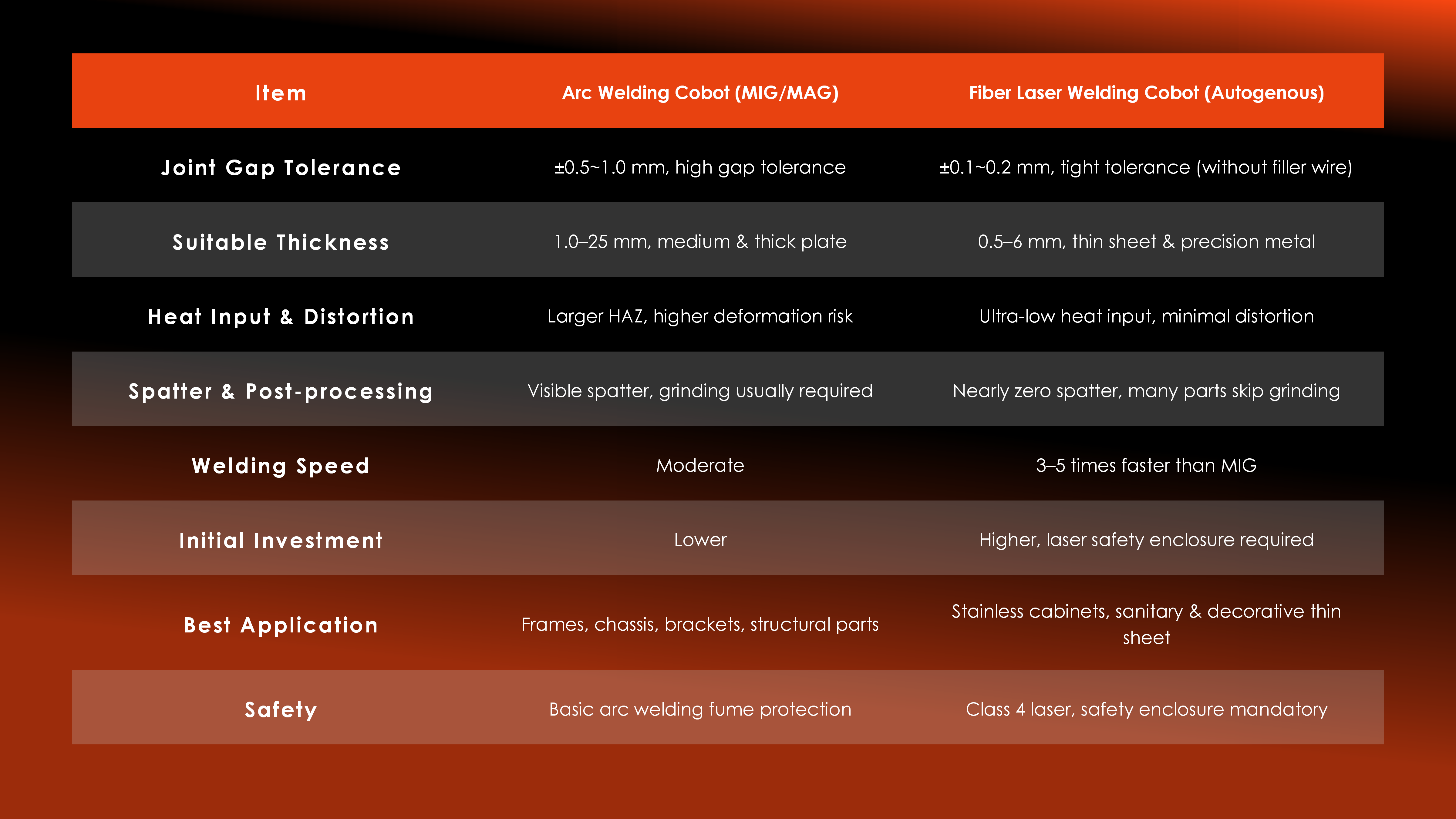
Higher gap tolerance: ±0.5–1.0 mm gap tolerance, forgiving for inconsistent blank parts, rough fixtures, manual positioning variation
Wide material & thickness range: 1–25 mm carbon steel, mild steel, stainless steel, aluminum, alloy structural parts
Low entry cost, mature consumable supply, your welders already understand the process
High deposition rate, ideal for structural strength priority
❌ Limitations
Larger heat-affected zone, higher distortion risk on thin sheets
Spatter is inevitable, normally needs grinding & polishing after welding
Welding speed is moderate
Best matched workpieces for arc welding cobot:
Steel frames, chassis, brackets, machinery bases, structural supports
Heavy-duty metal fabrication, agricultural machinery parts, trailer frames
Aluminum frames, pipe structures, low cosmetic requirement welds
Job shops with mixed small batches, simple fixture
2. Collaborative Laser Welding Cobot (Fiber Laser Cobot Welding)
Laser cobot welding uses a concentrated high-energy fiber laser beam, low heat input fusion.
✅ Core strengths
Ultra-low heat input, tiny HAZ, minimal deformation & warping — critical for thin sheet metal
Near-zero spatter, smooth narrow weld seam, most parts can skip post-grinding, save huge finishing labor cost
Welding speed 3–5 times faster than MIG; high repeatability for precision parts
Clean weld appearance for visible / decorative surfaces
❌ Limitations
Strict joint fit-up tolerance: ±0.1–0.2 mm, precise fixture is mandatory; gaps will easily cause burn-through or lack of fusion
Higher upfront investment; Class 4 laser safety protection required
Surface cleanliness matters: oil, rust, coating will affect laser absorption
Best matched workpieces for laser welding cobot:
Thin stainless steel cabinet, sheet metal enclosures, kitchen equipment, sanitary fittings
EV battery trays, precision electronic housings, medical stainless assemblies
Decorative metal parts, visible surface welds, products with high aesthetic requirement
Stable mass production, identical parts with consistent fixture positioning

3. Quick Selection Checklist
Choose Arc Cobot Welding if:
✔ Parts are structural, strength > appearance
✔ Plate thickness ≥1.5mm, medium & heavy gauge
✔ Your parts have inconsistent gaps, simple fixtures
✔ Lower initial budget, mixed small batches, job shop
Choose Laser Cobot Welding if:
✔ Thin gauge (0.5–6 mm), stainless steel, aluminum precision sheet metal
✔ You want to cut grinding & rework labor
✔ Low distortion is mandatory
✔ Stable repeat batches, precision fixtures, high cosmetic standard
Tip: For many intermediate cases, we also support hybrid solutions or separate cell layout. Send us your workpiece drawing, material, thickness and batch, DN Laser Robot will provide free process test & quotation.
Cobot welding unlocks flexible automation for metal fabricators. Arc cobot is the reliable workhorse for general structural fabrication; laser cobot is the high-efficiency precision choice for thin, beautiful, low-distortion components. DN Laser Robot supplies both collaborative arc welding cobot systems and laser welding cobot solutions, together with handheld laser welder, laser cleaner, laser cutting machine for your full metal fabrication line.
Keywords: collaborative welding cobot, arc welding cobot, laser welding cobot, cobot welding automation, sheet metal welding, robotic welding for job shop